

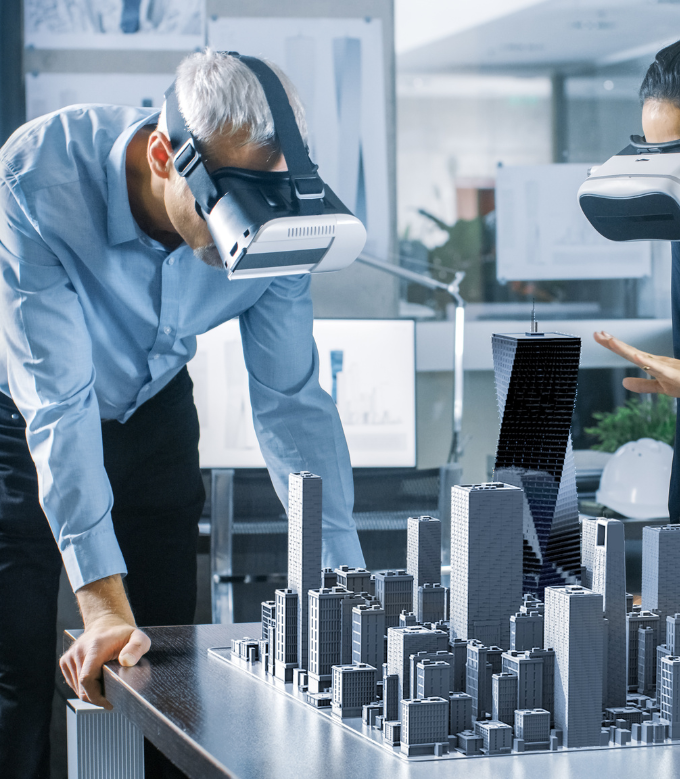
How We Deliver Immersive Training & Simulation
Facility-Accurate Virtual Environments
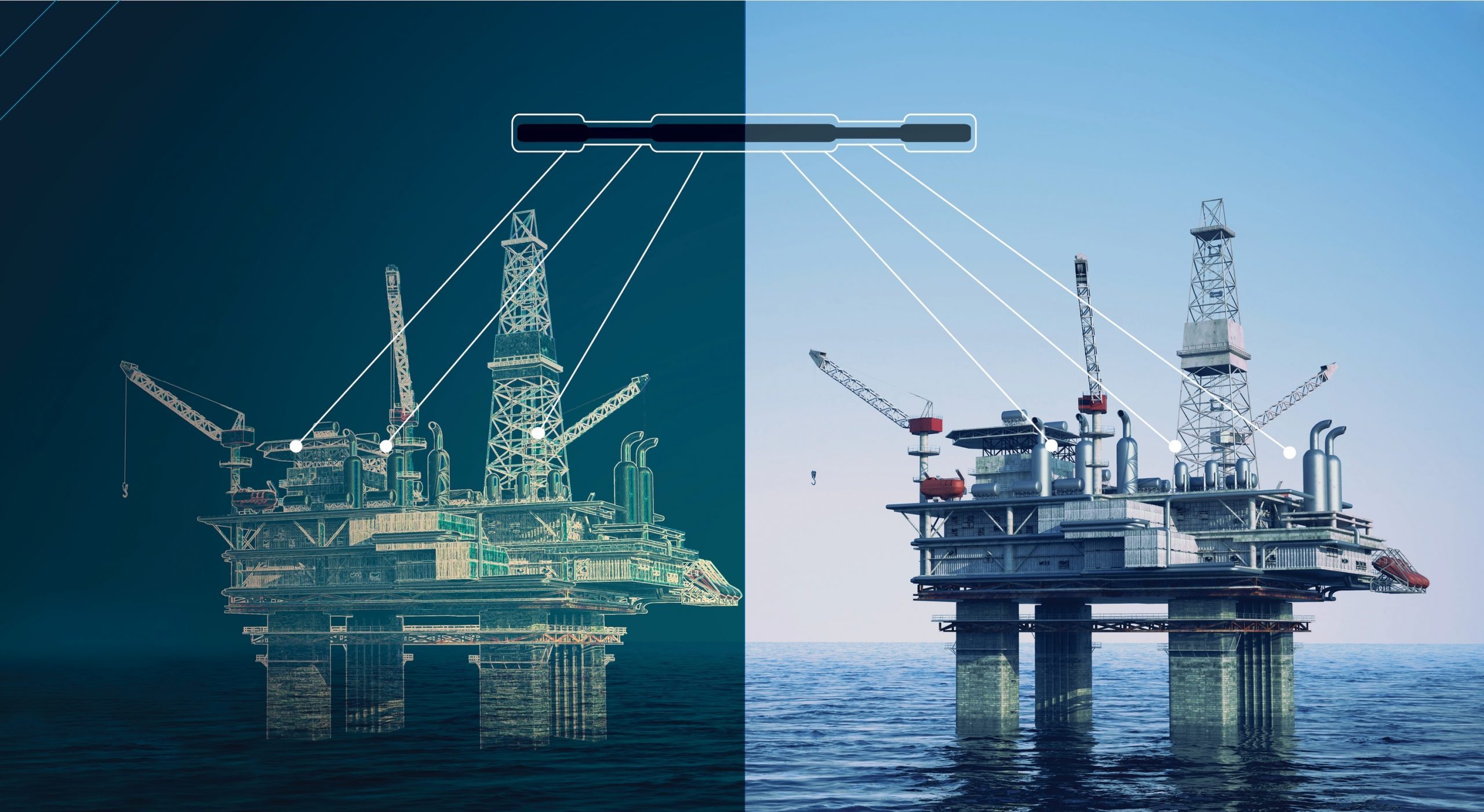
Every training environment begins with the real geometry of the asset. We convert TLS point clouds, SLAM scans, BIM models, and photogrammetric captures into navigable, interactive virtual worlds that replicate offshore platforms, refineries, processing plants, tunnels, marine vessels, and subsea installations at centimetre precision — with accurate equipment, instrumentation, signage, and spatial relationships. When the facility changes, the environment changes with it, so training is always aligned with current operational configuration, not a version from three years ago.
HSE & Emergency Response Scenarios
High-consequence, low-frequency events cannot safely be practised in real environments — which is precisely where VR delivers its highest value. We simulate hydrocarbon releases, fires, explosions, confined space emergencies, man-overboard events, and structural failures inside accurate facility models, training emergency response teams on muster procedures, evacuation routes, firefighting positions, and rescue operations using actual asset geometry.
Maintenance & Operations Procedure Training
Complex maintenance tasks are practised in VR before tools are picked up on site. We build step-by-step interactive procedures — valve isolations, equipment changeouts, pressure testing, ROV operations, and instrument calibrations — performed in the correct sequence using dimensionally accurate equipment models, with immediate feedback on errors, out-of-sequence actions, and missed safety steps. Competency is assessed and verified digital record of performance is stored directly into your workforce management system.
Augmented Reality for Field Operations
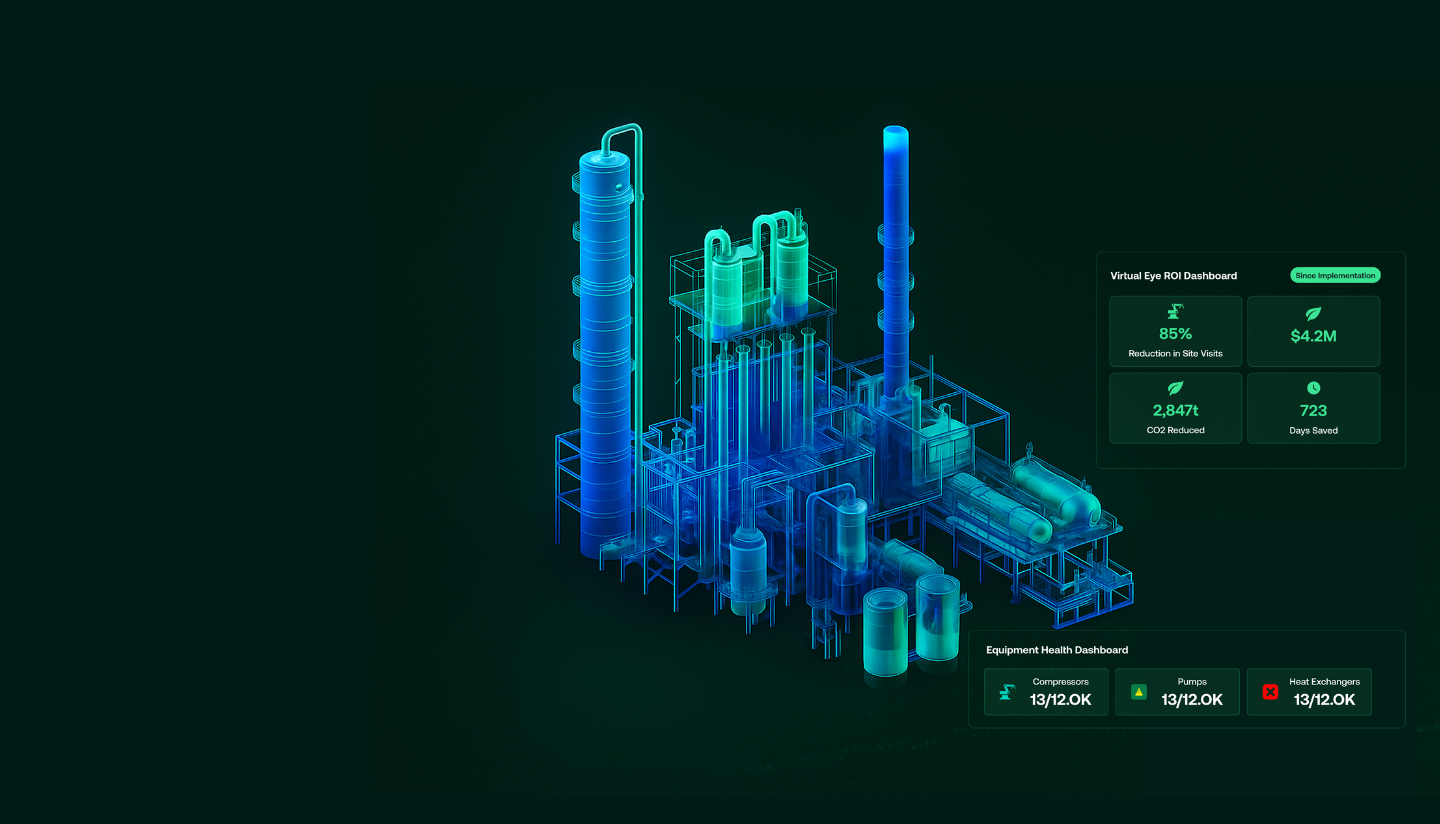
AR overlays bring digital intelligence into the physical environment — projecting hidden structures, live data, work instructions, and inspection records onto the real world through tablets and headsets. Real-time sensor values, equipment specifications, and maintenance history are anchored to physical assets, and remote expert guidance with shared AR annotation means an onshore specialist can mark up a live field view with instructions, dimensions, and alerts — closing the distance between the control room and the worksite.











 Doha, Qatar
 GMT-3
GMT-3
